
Is Thai Massage Painful? What First-Time Clients Should Know
Is Thai massage painful? Learn what first-time clients can expect, comfort levels, safety tips, and how Thai massage feels at a professional spa.
1/21/20262 min read

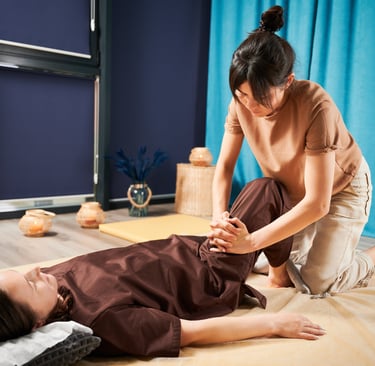
Thai massage is known for its unique combination of stretching, pressure, and assisted movements. For first-time clients, it’s common to wonder whether Thai massage is painful. While the experience can feel intense at times, it is not meant to cause pain. When performed correctly, Thai massage is a controlled and therapeutic practice designed to improve flexibility, release tension, and restore balance.
Understanding the Nature of Thai Massage
Unlike oil-based massages, Thai massage is performed using rhythmic pressure and guided stretches. The therapist uses hands, elbows, knees, and body weight to apply pressure along energy lines and tight muscle areas. Because the body is actively stretched, sensations may feel stronger than a relaxation massage, especially for beginners.
Does Thai Massage Hurt the First Time?
For first-time clients, Thai massage may feel unfamiliar rather than painful. Mild discomfort can occur when tight muscles are stretched, but sharp or unbearable pain should never be part of the experience. Any sensation felt during the massage is usually temporary and followed by a feeling of lightness and flexibility.
Why Thai Massage Can Feel Intense
Thai massage works deeply into muscles and joints that may not be regularly stretched. If your body is stiff, stressed, or inactive, the stretches can feel intense at first. This intensity is a sign that tight areas are being gently opened, not that the massage is unsafe or harmful.
Communication Makes the Experience Comfortable
Clear communication is essential, especially during your first Thai massage. Letting your therapist know about your comfort level, flexibility, or any health concerns allows the session to be adjusted. Pressure and stretch intensity can always be modified to ensure a safe and comfortable experience.
Who Should Be Cautious with Thai Massage
People with recent injuries, joint problems, severe back issues, or medical conditions should consult a professional before booking a Thai massage. Pregnant individuals or those with limited mobility should also seek guidance to determine whether Thai massage is suitable for them.
What You Might Feel After a Thai Massage
After a Thai massage, it’s normal to feel relaxed, lighter, and more flexible. Mild soreness may occur, especially after the first session, but this typically fades within a day. Drinking water and resting helps the body adjust and enhances recovery.
How to Prepare for Your First Thai Massage
Wearing comfortable clothing and arriving relaxed can make a big difference. Avoid heavy meals before your session, stay hydrated, and keep an open mind. Trusting the process helps you enjoy the full benefits of Thai massage without unnecessary tension.
Is Thai Massage Right for You?
Thai massage is ideal for individuals seeking improved flexibility, posture correction, and deep relaxation through movement-based therapy. While it may feel intense at times, it is generally not painful and can be highly rewarding when performed by skilled therapists.
Conclusion
Thai massage is not meant to cause pain but to gently guide the body toward balance and ease. For first-time clients, understanding what to expect and communicating openly ensures a positive experience. With proper guidance and professional care, Thai massage can be both comfortable and deeply beneficial.

Relaxation
Our spa services are here to fulfill your needs-to reduce stress, relax, and rejuvenate your skin. Our signature therapies are built around the idea of a balance of body and mind, relief from tension, and healing. From soothing massages to refreshing facials, each is designed to bring you closer to wellness.
Contact info
Call us at:
Mobile 1: +91 8122860385
Mobile 2: +91 9962486589Address:
Main Rd, Camp Road Junction, Ezhil Nagar, Selaiyur, Chennai, Tamil Nadu 600073
© 2024. All rights reserved.