
How Often Should You Get Thai Massage for Best Results?
How often should you get Thai massage? Learn the ideal frequency for flexibility, stress relief, muscle recovery, and long-lasting wellness benefits.
2/13/20261 min read
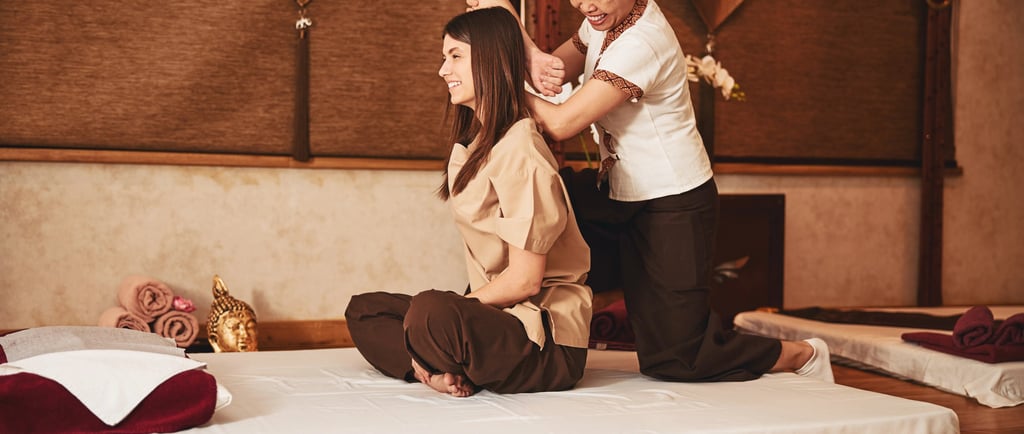
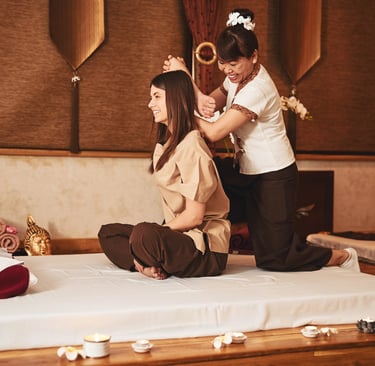
Understanding the Purpose of Thai Massage
Thai massage combines assisted stretching, rhythmic pressure, and body alignment techniques to improve flexibility, circulation, and energy flow. The ideal frequency depends on your body condition, lifestyle, and wellness goals.
For General Relaxation and Stress Relief
If your goal is stress reduction and mental relaxation, getting a Thai massage once every 2 to 4 weeks is usually enough. This helps maintain flexibility, reduce muscle tightness, and keep stress levels under control.
For Muscle Stiffness and Limited Flexibility
People experiencing stiffness, poor posture, or reduced mobility may benefit from Thai massage once a week for the first few sessions. After improvement, sessions can be reduced to twice a month for maintenance.
For Active or Physically Demanding Lifestyles
If you exercise regularly or have a physically demanding job, Thai massage every 1 to 2 weeks can support muscle recovery, prevent stiffness, and improve overall performance.
For Chronic Tension or Pain
Those dealing with long-term muscle tension may require more frequent sessions initially. A trained therapist can recommend a personalized schedule based on your condition and comfort level.
Listening to Your Body’s Signals
Your body often tells you when it needs care. Persistent tightness, low energy, or recurring discomfort may indicate it’s time for another Thai massage session.
Avoiding Overuse
While Thai massage is beneficial, too frequent sessions without proper recovery may cause soreness. Balance and professional guidance ensure the best long-term results.
Creating a Consistent Wellness Routine
Consistency is key for lasting benefits. A regular Thai massage schedule improves flexibility, boosts energy flow, reduces stress, and supports overall physical and mental well-being.

Relaxation
Our spa services are here to fulfill your needs-to reduce stress, relax, and rejuvenate your skin. Our signature therapies are built around the idea of a balance of body and mind, relief from tension, and healing. From soothing massages to refreshing facials, each is designed to bring you closer to wellness.
Contact info
Call us at:
Mobile 1: +91 8122860385
Mobile 2: +91 9962486589Address:
Main Rd, Camp Road Junction, Ezhil Nagar, Selaiyur, Chennai, Tamil Nadu 600073
© 2024. All rights reserved.